📚 Journey to the West (西游记 Xī Yóu Jì)
The Novel
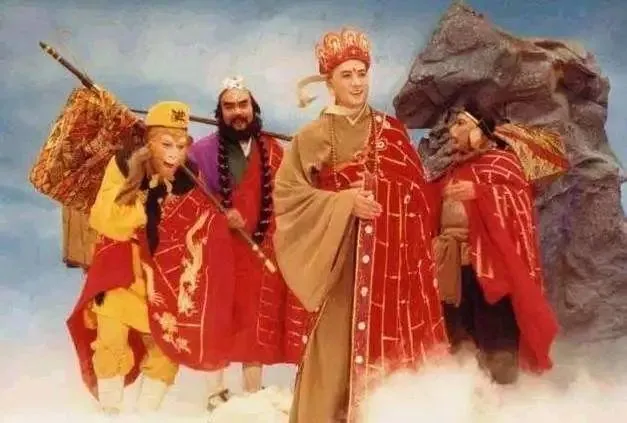
One of the Four Great Classical Novels of Chinese literature, written by Wu Cheng'en during the Ming Dynasty (16th century). This epic tale follows Tang Sanzang's pilgrimage to India to retrieve Buddhist scriptures, protected by three disciples including Sun Wukong (the Monkey King).
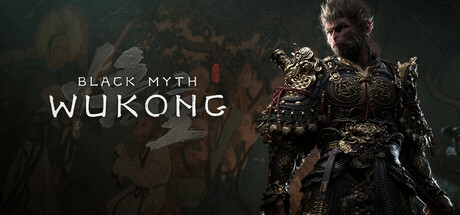
Game Connection: Black Myth: Wukong is set centuries after the original journey, exploring what became of the mythological world and its inhabitants.
Tang Sanzang (唐三藏)
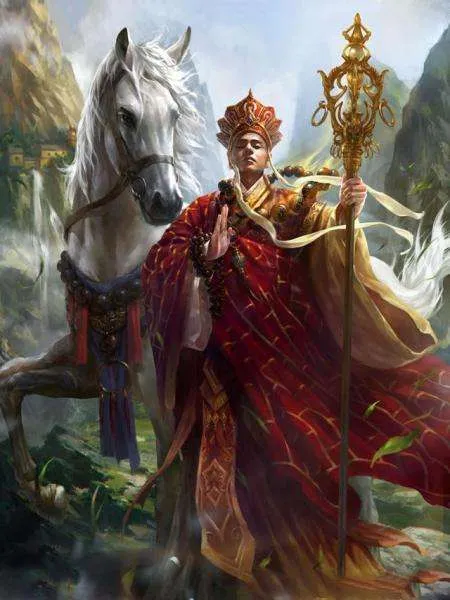
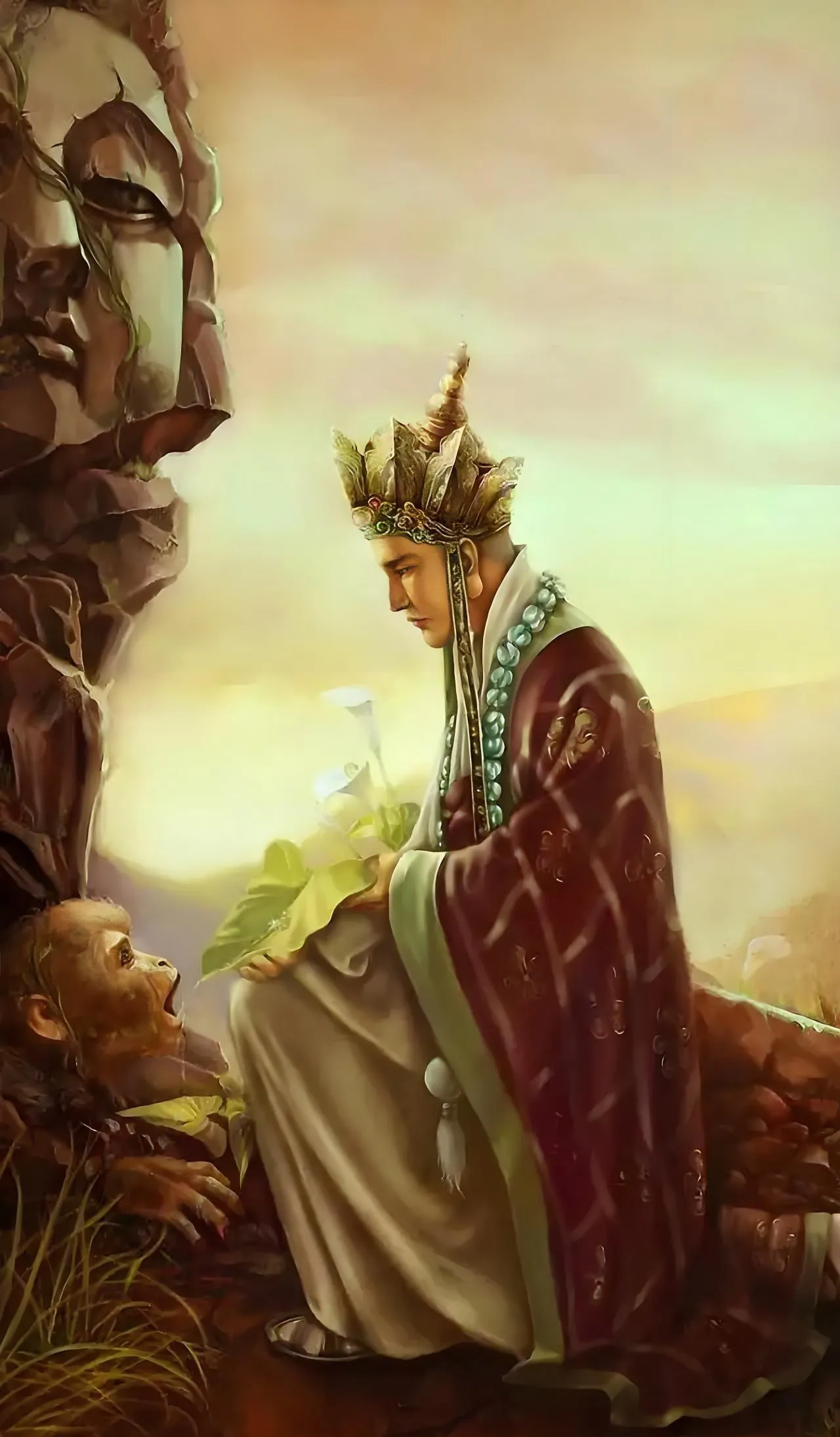
The pious Buddhist monk who led the pilgrimage to India. Based on the real-life monk Xuanzang (602-664 CE), his journey became the basis for the novel. Represents virtue, perseverance, and spiritual enlightenment in the face of countless trials.
Eighteen Arhats (十八罗汉)
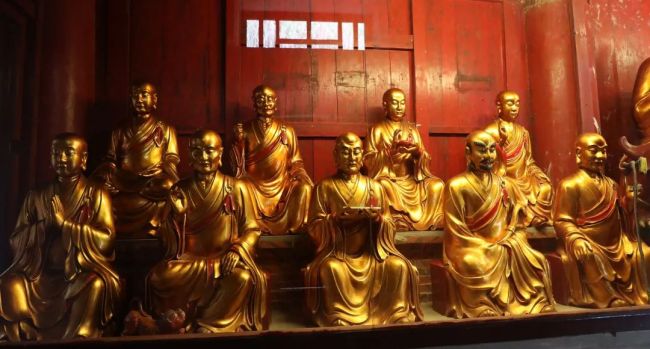
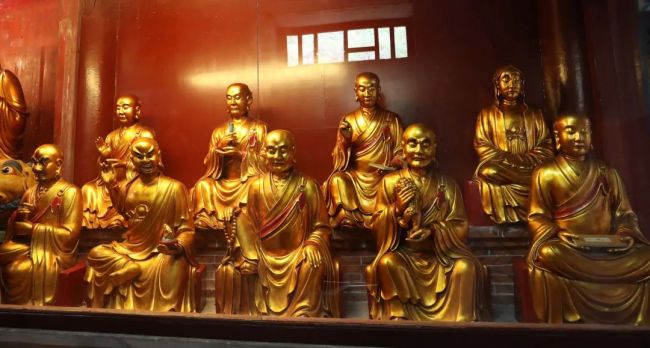
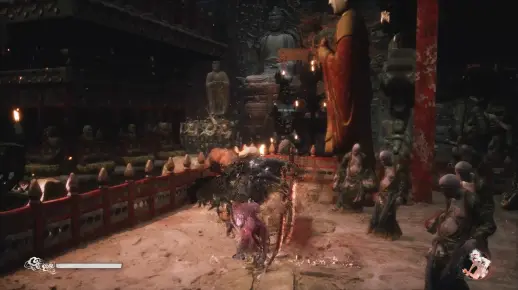
Enlightened Buddhist disciples who have achieved nirvana but remain in the mortal world to protect the Dharma and guide sentient beings. These figures appear as powerful adversaries and spiritual guides throughout the game.
⛩️ Buddhist & Taoist Concepts
Karma (因果 Yīnguǒ)
The universal law of cause and effect. Every action, thought, and intention creates consequences that shape one's destiny across lifetimes. The protagonist's journey is deeply influenced by karmic ties to Sun Wukong.
Cultivation (修行 Xiūxíng)
The practice of spiritual refinement through meditation, martial arts, moral discipline, and alchemical practices to achieve immortality or enlightenment. Character progression and skill development reflect traditional cultivation practices.
Enlightenment (开悟 Kāiwù)
The ultimate state of spiritual awakening where one transcends suffering, ignorance, and the cycle of rebirth (samsara). The game explores different paths to enlightenment and what it means to truly "awaken."
🏛️ Heavenly & Demon Realm System
Jade Emperor (玉皇大帝 Yùhuáng Dàdì)
The supreme ruler of Heaven in Chinese folk religion and Taoism. He governs the celestial bureaucracy and maintains cosmic order.
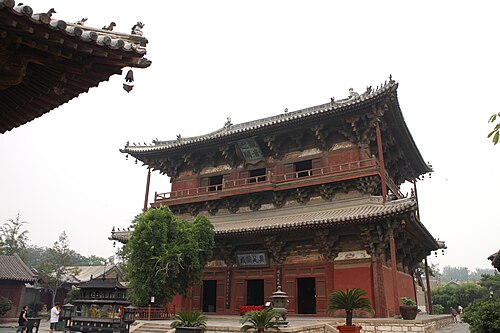
Thirty-Three Heavens (三十三天)
The celestial realms in Buddhist cosmology, each representing a higher state of spiritual attainment and divine residence. The game's setting includes these celestial domains as both sacred spaces and battlegrounds.
Demon Realms (妖界 Yāojiè)
The domains inhabited by supernatural creatures (yaoguai), often located in remote mountains, caves, or spiritual planes outside mortal realms. Many boss encounters take place in these mystical demon realms.