1. World Overview
A journey through mythological China: Black Myth:
Wukong's world spans diverse regions inspired by real Chinese
landscapes, temples, and mythological realms.
-
Geographic Diversity: From misty mountains to
ancient temples, from bamboo forests to celestial realms
-
Historical Accuracy: Many locations are based
on actual UNESCO World Heritage sites
-
Mythological Integration: Real locations
blended with supernatural elements from Chinese folklore
-
Interconnected World: Regions connect through
both physical paths and mystical gateways
-
Environmental Storytelling: Each region tells
part of the larger narrative through its design
The world serves as both a game environment and a cultural
showcase, introducing international players to China's rich
architectural and natural heritage.
2. Dazu Rock Carvings (大足石刻)
UNESCO World Heritage Site: One of the most
impressive locations in the game, based on the real Dazu Rock
Carvings in Chongqing.
-
Real-World Location: Chongqing Municipality,
China - dating from the 9th to 13th centuries
-
Historical Significance: Represents the
pinnacle of Chinese Buddhist rock carving art
-
Game Features: Massive Buddha statues,
intricate carvings, and hidden passages within the cliff faces
-
Key Areas: The Golden Hands Buddha, Thousand
Buddha Cliff, and various cave shrines
-
Secrets: Hidden altars and lore items tucked
away in carved niches
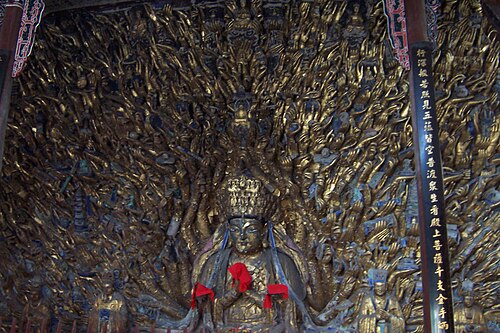
This area showcases the game's commitment to cultural
authenticity. The real Dazu site contains over 50,000 statues and
is considered one of China's greatest cultural treasures.
3. Dule Temple (独乐寺)
Ancient Buddhist Architecture: Based on the
historic Dule Temple in Tianjin, home to one of China's oldest
wooden structures.
-
Real-World Location: Jixian County, Tianjin,
China - built in 984 CE during the Liao Dynasty
-
Architectural Significance: The Guanyin
Pavilion is one of the oldest and best-preserved wooden
buildings in China
-
Game Features: Multi-story temple complex with
intricate wooden architecture and sacred spaces
-
Key Areas: The Guanyin Pavilion, main hall, and
surrounding temple grounds
-
Atmosphere: Serene spiritual environment
contrasting with the supernatural threats
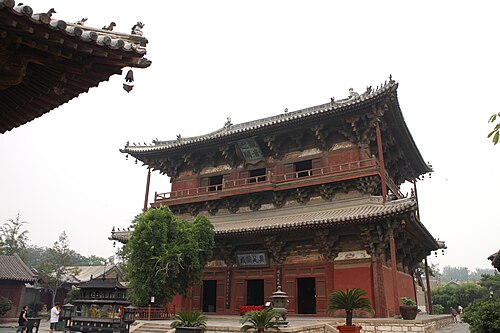
The real temple's survival through over a thousand years,
including numerous earthquakes, is a testament to ancient Chinese
architectural genius.
4. Quanzhou Kaiyuan Temple (泉州开元寺)
Major Buddhist Complex: Inspired by one of Fujian
province's most important Buddhist temples.
-
Real-World Location: Quanzhou, Fujian Province,
China - originally built in 686 CE
-
Historical Importance: Quanzhou was a major
port city on the Maritime Silk Road, making this temple
culturally significant
-
Game Features: Extensive temple grounds with
multiple halls, pagodas, and sacred spaces
-
Key Areas: The main hall, twin pagodas, and
various subsidiary temples
-
Cultural Elements: Showcases Song Dynasty
architectural style and Buddhist iconography
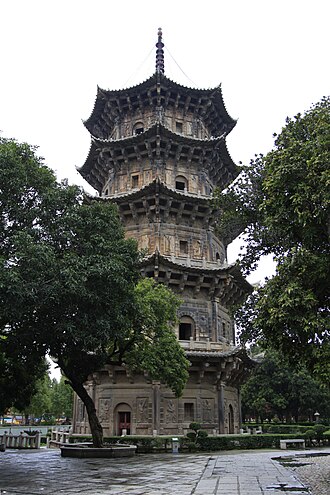
The real temple is famous for its twin stone pagodas, which are
among the tallest stone pagodas in China and have survived
numerous earthquakes.
5. Wulong Temple (五龙庙)
Traditional Temple Architecture: Represents
classic Chinese temple design and religious layout.
-
Architectural Style: Traditional Chinese temple
complex with multiple courtyards and halls
-
Religious Significance: Dedicated to the Five
Dragons (Wǔlóng), important figures in Chinese mythology
-
Game Features: Multi-level temple with hidden
passages and sacred artifacts
-
Key Areas: Main worship halls, dragon shrines,
and surrounding temple grounds
-
Atmosphere: Blends reverence for tradition with
supernatural elements
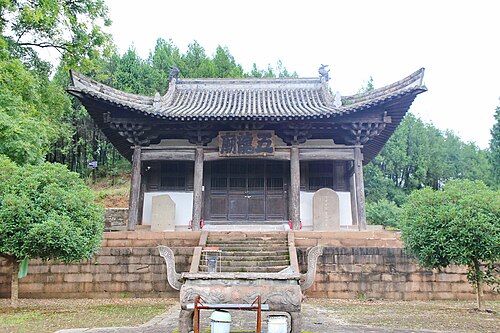
Dragon worship is deeply rooted in Chinese culture, representing
power, strength, and good fortune. The temple reflects this
cultural significance.
6. Mythological Realms
Supernatural dimensions: Beyond the earthly
locations, the game features realms from Chinese cosmology.
-
Celestial Heaven (Tiāntáng 天堂): The realm of
gods and immortals, home to the Jade Emperor
-
Underworld (Dìyù 地狱): The realm of the dead,
governed by Yan Wang (King of Hell)
-
Flower-Fruit Mountain (Huāguǒ Shān 花果山): Sun
Wukong's legendary home and kingdom
-
Dragon Palace (Lónggōng 龙宫): Underwater realm
of the Dragon Kings
-
Buddha's Western Paradise (Xījìng 西京): The
ultimate destination of Journey to the West
These realms draw directly from Journey to the West and Chinese
religious cosmology, providing mythological context to the
physical journey.
7. Navigation and Exploration Tips
Moving through the world: Effective navigation
strategies for exploring all regions.
-
Shrine Network: Use shrines as fast travel
points and bases for exploration
-
Cloud Somersault: Unlock aerial mobility to
reach previously inaccessible areas
-
Environmental Cues: Look for visual hints
indicating hidden paths or secret areas
-
Map Marking: Mark points of interest for return
visits after acquiring new abilities
-
Transformation Gates: Some areas require
specific transformations to access
Exploration advice: The game rewards thorough
exploration. Many secrets are hidden in plain sight within
temple complexes and natural formations.
← Back to Black Myth Wukong Guide Hub